Emotional Regulation: What It Is and Why It Changes Everything
Emotional Regulation Is Not Emotional Suppression
One of the most common goals people bring into therapy is: “I just want this feeling to go away.”
Anxiety. Anger. Shame. Panic. Jealousy. Grief.
The assumption is that emotional health means eliminating distress but emotional regulation is not about getting rid of feelings. It’s about staying steady while feelings move through you.
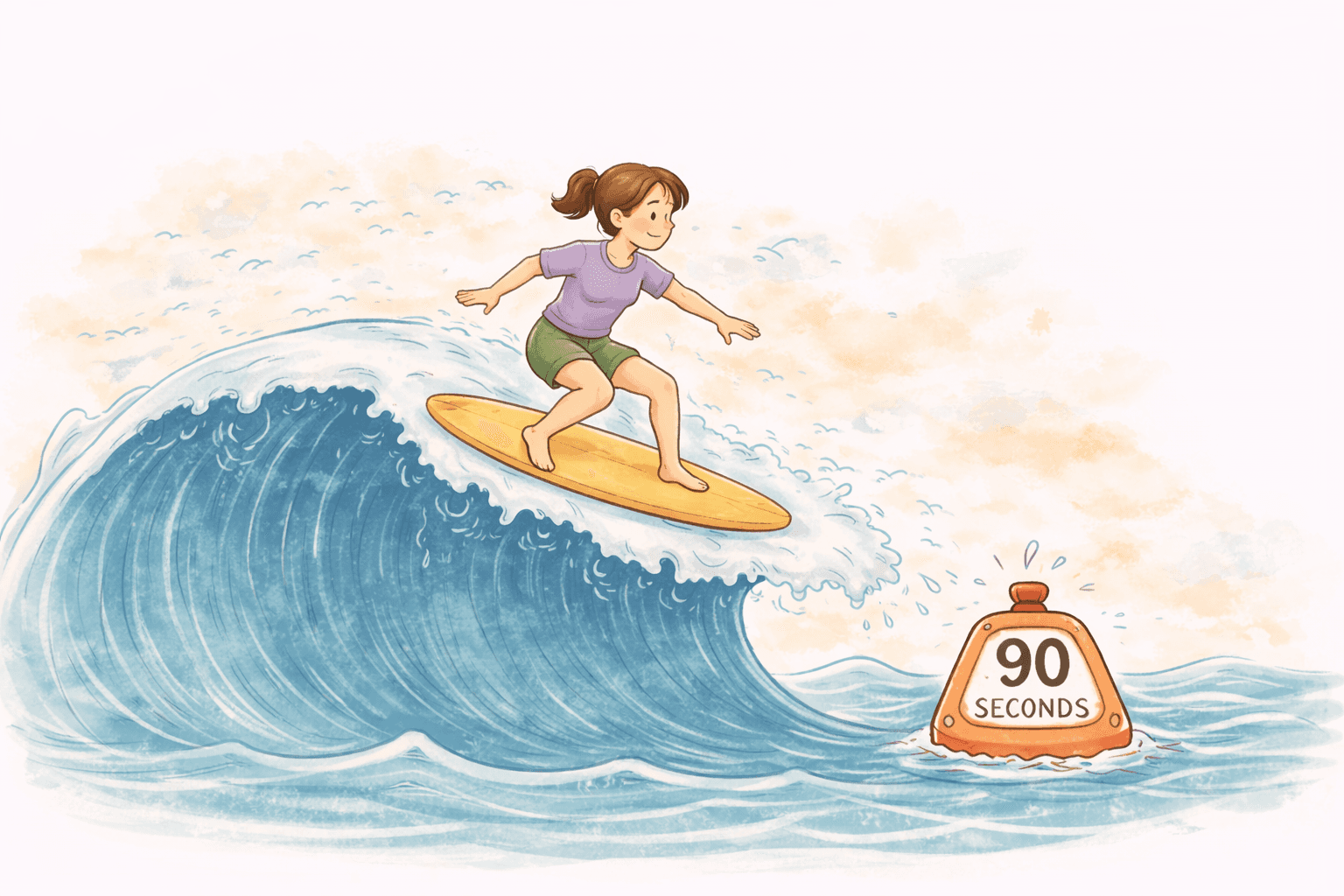
Emotions are physiological events. When something triggers you, your nervous system releases stress chemicals that surge through the body. Neuroscientist Dr. Jill Bolte Taylor explains that the initial chemical surge of an emotional reaction moves through the body in about 90 seconds unless it’s prolonged by our thoughts.
The wave itself is brief. What keeps it alive is resistance.
When we try to argue with emotions, suppress them, or immediately fix them, we often amplify them.
Emotional regulation means:
Noticing the wave
Regulating your body
Tolerating the discomfort
Choosing your response instead of reacting automatically
What DBT Teaches About Regulating Emotions
Dialectical Behaviour Therapy (DBT) is one of the most evidence-based treatments for emotional dysregulation. It doesn’t aim to eliminate emotion but it strengthens your capacity to handle it.
Here are some core DBT strategies that build regulation:
TIPP Skills (When Emotions Feel Overwhelming)
When your system is highly activated, logic won’t calm it. Physiology must come first.
TIPP stands for:
Temperature – Splashing cold water on your face or holding something cold to activate the dive reflex and quickly reduce arousal.
Intense Exercise – Short bursts of movement to burn off stress activation.
Paced Breathing – Slowing your breathing to calm the nervous system.
Paired Muscle Relaxation – Tensing and releasing muscles to discharge physical tension.
Regulate the body → regulate the emotion.
Opposite Action
Sometimes emotions push us toward behaviours that make things worse.
Anxiety urges avoidance.
Shame urges isolation.
Anger urges attack.
When the emotion isn’t justified by facts, DBT teaches us to gently act opposite to the urge. This builds flexibility and reduces emotional intensity over time.
Distress Tolerance
Not every emotion needs to be solved. Some need to be endured.
Distress tolerance skills help you survive emotional discomfort without escalating it. This may include grounding, sensory soothing, radical acceptance, or simply reminding yourself: “This feeling will pass.”
Because it will.
Stop Solving Your Emotions, Start Tolerating Them
The real transformation happens when you shift from:
“How do I make this stop?”
to
“How do I stay with this without making it worse?”
Emotions are waves. If you fight the wave, you exhaust yourself. If you ride it, it crests and falls.
When you learn to:
Recognize activation
Use regulation tools
Tolerate discomfort
Respond intentionally
You build resilience.
Emotional regulation doesn’t mean you feel less. It means you fear your emotions less.
And that changes how you relate to yourself, your partner, your children, and your stress.