Health Anxiety Therapy in Toronto
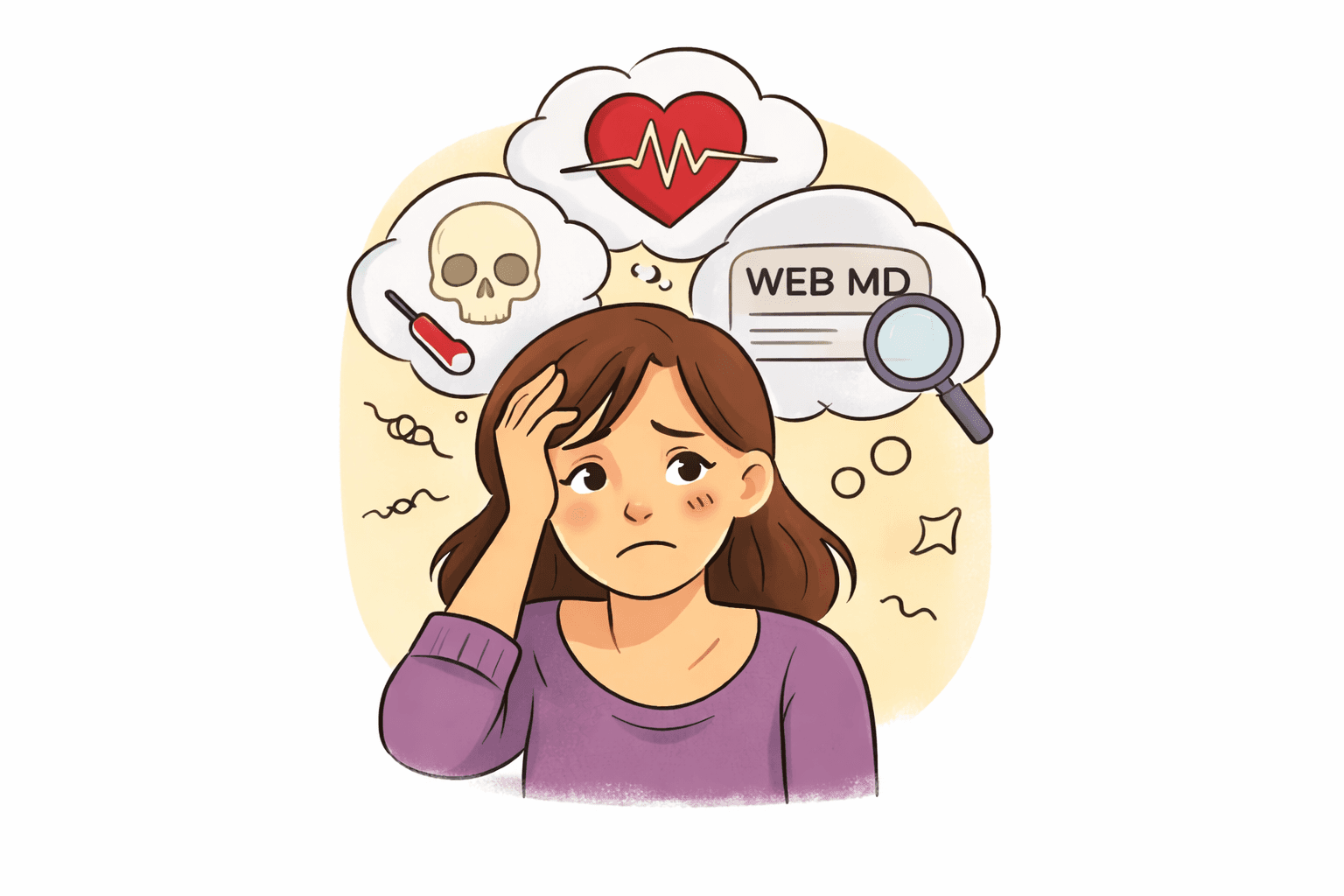
Health anxiety is a form of anxiety that involves persistent worry about health, illness, and bodily sensations. Many people experiencing health anxiety fear that physical symptoms mean something serious is wrong, even after medical reassurance.
Health anxiety is not simply being cautious about your health. It is anxiety related to health-focused thoughts, sensations, and uncertainty. At its core, health anxiety often involves a fear of dying, losing control, or something catastrophic happening to the body.
If you are searching for health anxiety therapy in Toronto or Ontario, you are not alone. Many people seek support when anxiety about health begins to interfere with daily life, relationships, or peace of mind.
What Is Health Anxiety?
Health anxiety refers to ongoing anxiety about health-related concerns, physical symptoms, or the possibility of illness. It often includes excessive worry about bodily sensations and a tendency to interpret normal sensations as signs of serious disease.
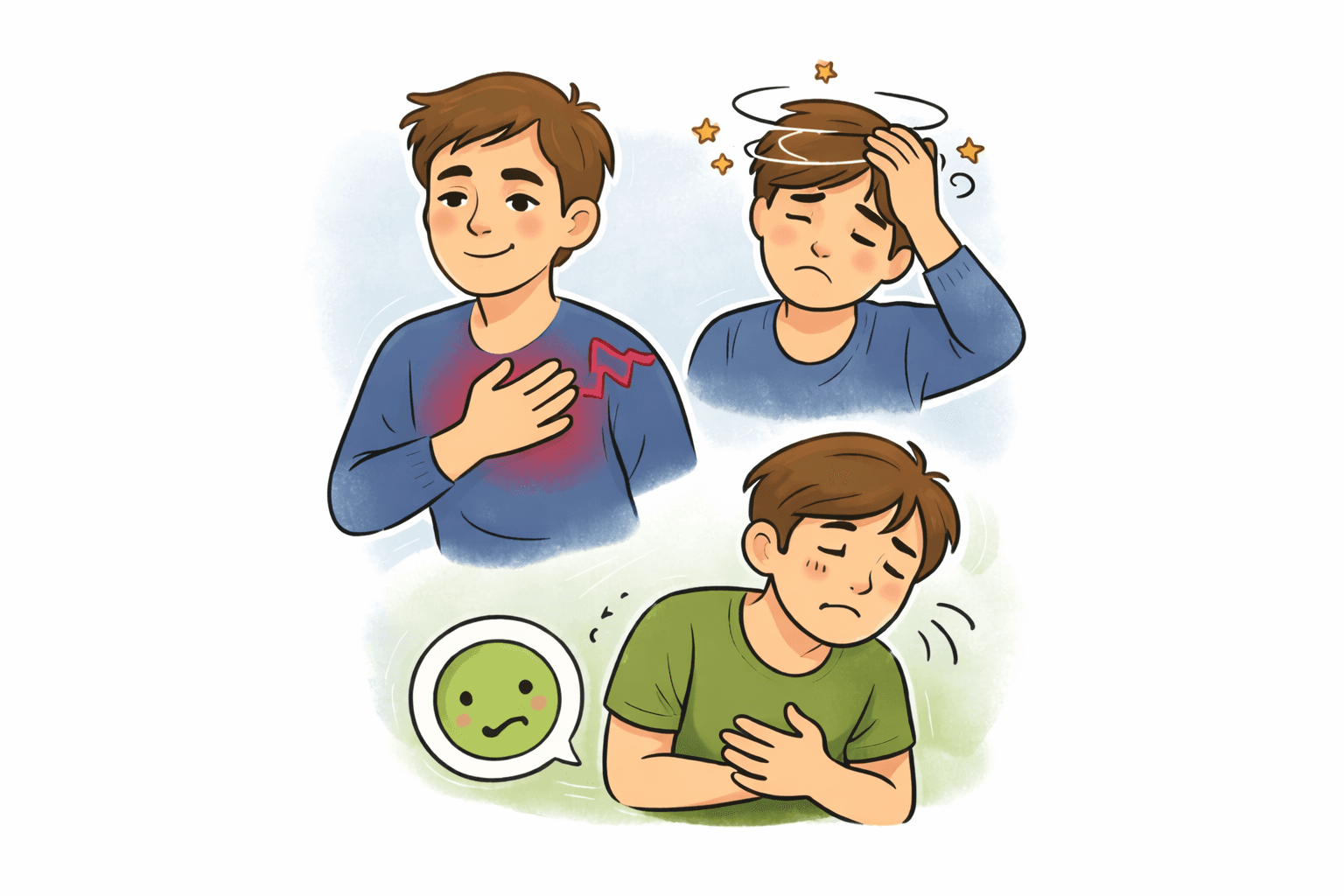
People with health anxiety may feel unable to trust their body. Ordinary sensations, such as headaches, fatigue, heart palpitations, or changes in breathing can quickly become sources of fear.
Rather than the body feeling like a safe place, it becomes something to monitor closely for danger.
Health Anxiety Symptoms: What Does It Feel Like?
Health anxiety is experienced both emotionally and physically.
Common physical symptoms of health anxiety include:
Chest tightness or shortness of breath
Heart palpitations or a racing heart
Dizziness or lightheadedness
Nausea or digestive discomfort
Muscle tension
Tingling or numbness
These symptoms are often caused by an activated nervous system. Anxiety triggers the body’s stress response, which creates physical sensations. These sensations are then misinterpreted as evidence of illness, reinforcing the cycle of health anxiety.
How People Cope With Health Anxiety
People with anxiety about health are often doing everything they can to feel safe.
Common coping strategies include:
Rumination about symptoms and worst-case outcomes
Reassurance seeking, such as Googling symptoms or asking others for validation
Body checking, including monitoring heart rate, breathing, or pain
Creating routines or rules to reduce uncertainty and feel more in control
While these strategies can bring temporary relief, they often increase health anxiety over time. The search for certainty becomes exhausting and never fully satisfying.
Why Does Health Anxiety Develop?
Health anxiety often develops in individuals who are emotionally sensitive, highly aware, and responsive to stress.
From a trauma-informed perspective, health anxiety can be connected to:
Growing up in unpredictable or emotionally unsafe environments
Learning early on to stay alert or hyper-vigilant
Feeling responsible for managing emotions alone
Needing to anticipate problems to stay safe
In these situations, the nervous system learns that vigilance equals protection. Later in life, this protective response may become focused on the body, leading to anxiety about health.
Support for Health Anxiety
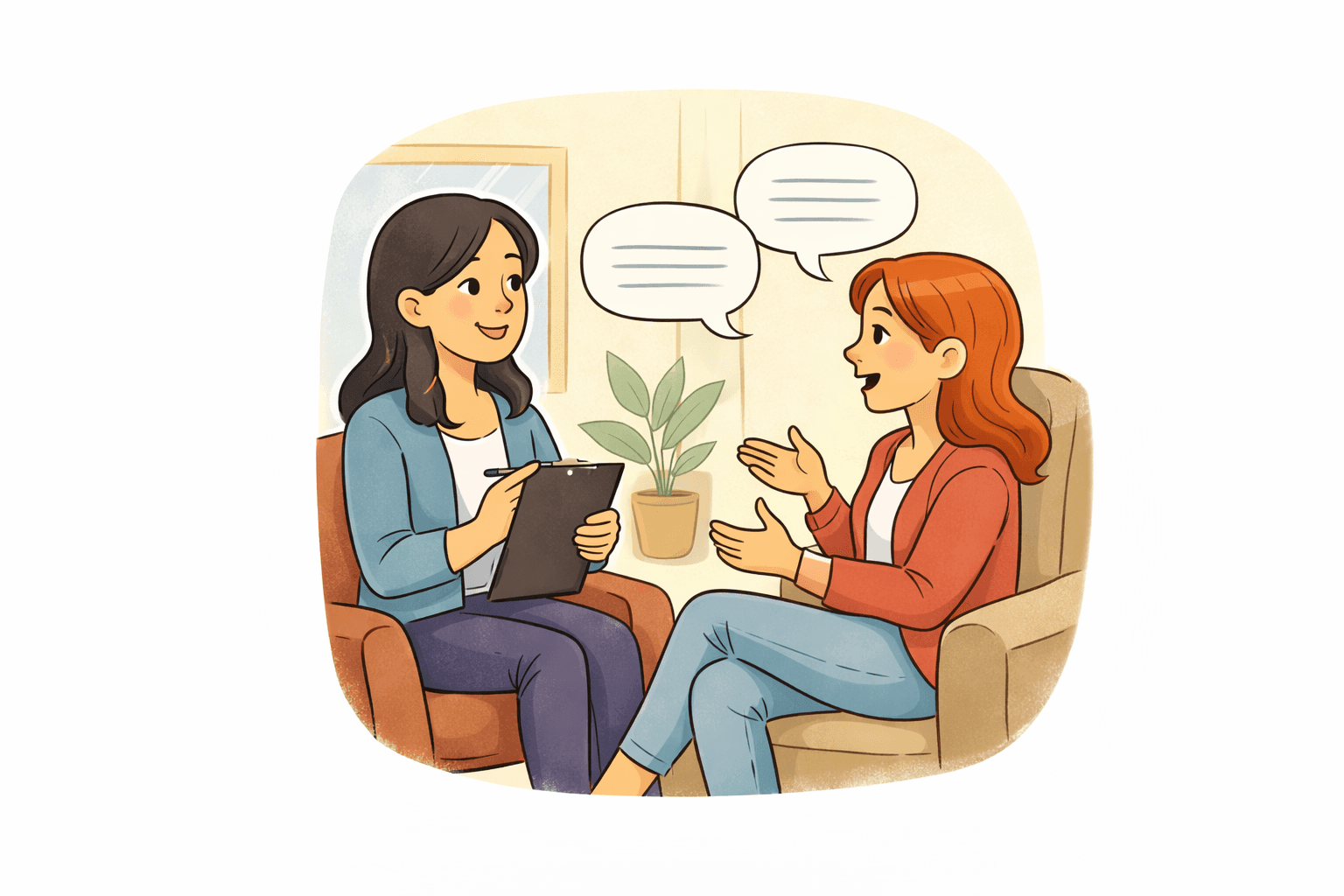
Therapy for health anxiety focuses on helping you feel safer in your body and less controlled by fear.
In my work, we focus on:
Nervous system regulation to reduce chronic stress and physical anxiety symptoms
Mindfulness-based approaches to observe bodily sensations without catastrophizing
Internal Family Systems (IFS) therapy, which helps you understand the anxious parts of you that are trying to protect you
Rather than trying to eliminate anxiety, therapy helps you develop a more grounded, compassionate relationship with it. Over time, many clients experience less rumination, fewer panic responses, and greater trust in their body.
If anxiety about your health is taking over your thoughts, support is available. Health anxiety is highly treatable, and therapy can help you feel calmer, more present, and more in control of your life.