How to Date After Divorce Without Repeating Old Patterns
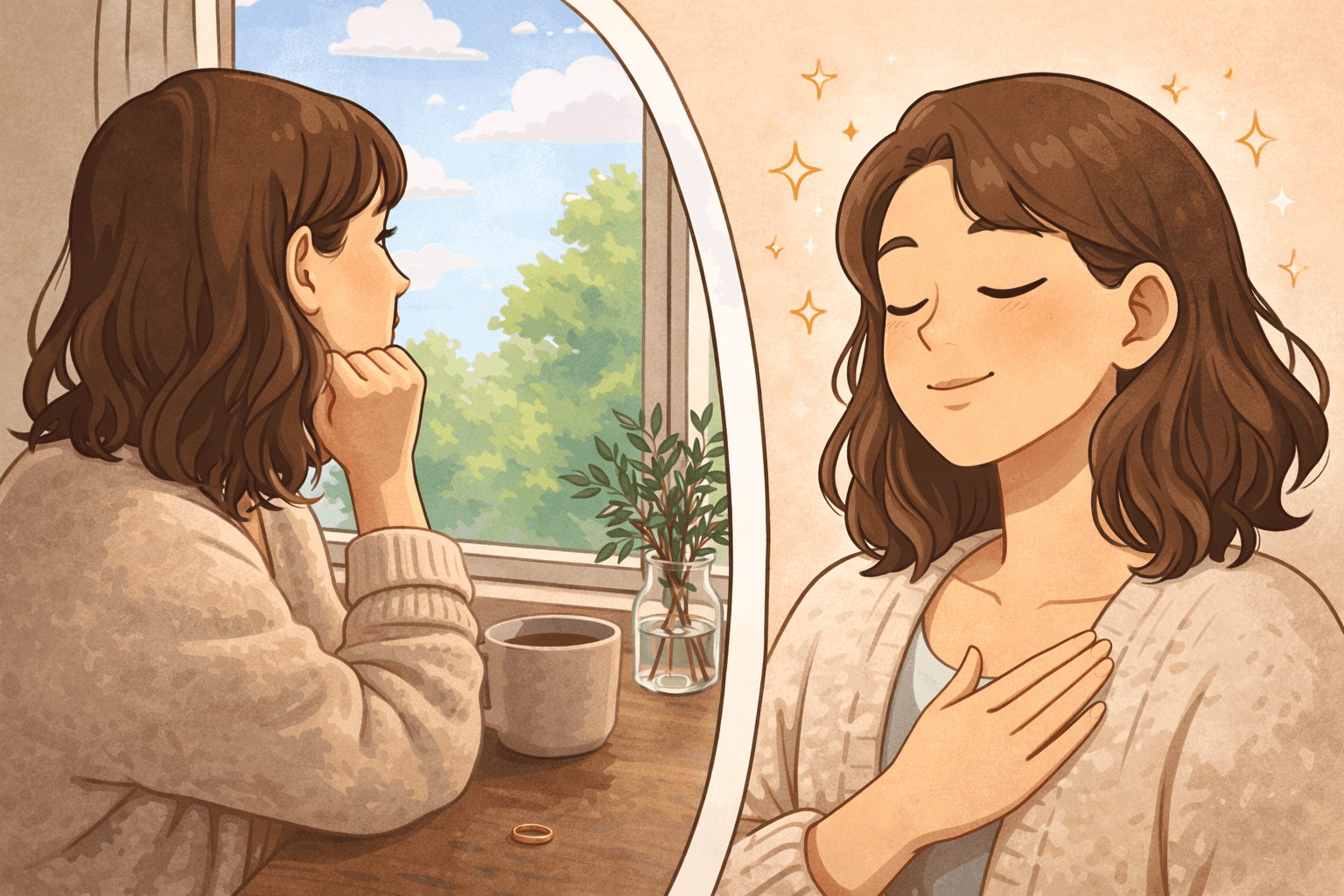
Dating after a divorce can feel disorienting. You’re not the same person you were when you first started dating years ago and that’s not a bad thing. But it does mean that approaching relationships the same way probably won’t work anymore.
The work isn’t about “getting back out there” as quickly as possible. It can be more about understanding what has changed in you and how to move forward in a way that actually feels aligned with your true self.
Why Dating After Divorce Feels So Different
Divorce isn’t just the end of a relationship, it’s the end of a version of your life.
That means when you start dating again, you’re often carrying:
A clearer sense of what doesn’t work for you
Emotional residue (grief, anger, relief, or all three)
A stronger need for safety, not just chemistry
A lot of people assume they should feel “ready” before dating again. In reality, readiness is less about being completely healed and more about being aware.
Common Patterns That Show Up
Without realizing it, people often fall into familiar dynamics when they start dating again:
1. Rushing for reassurance
Wanting to feel chosen, secure, or “back on track” can lead to moving too quickly.
2. Overcorrecting
If your previous relationship felt controlling or limiting, you might swing hard toward independence which may lead to avoiding vulnerability altogether.
3. Repeating dynamics
Even when you "know better," your nervous system may still be drawn to what feels familiar.
What Actually Helps
Instead of focusing on “finding the right person,” it’s more useful to focus on how you show up.
1. Get clear on your emotional baseline
Are you dating from curiosity or from loneliness, fear, or pressure?
2. Slow the pace down
Attraction can feel urgent, but healthy connection builds over time.
3. Notice your reactions, not just theirs
Pay attention to what gets activated in you.. anxiety, comparison, withdrawal, overthinking.
4. Let go of the timeline
There’s no prize for moving on quickly. The goal is not speed, it’s alignment.
Dating With More Awareness
The biggest shift after divorce is this:
You’re no longer dating to prove something, you’re dating to understand something.
What feels safe to you now?
What kind of emotional presence do you need?
What are you no longer willing to tolerate?
These questions matter more than whether someone “checks the boxes.”
Dating with awareness means you’re not just asking, “Do they like me?” You’re also asking, “How do I actually feel with them?”
Not just in terms of attraction but in terms of your internal experience over time.
Do you feel grounded or anxious after spending time together?
Do you feel like you can be more yourself, or do you subtly perform?
Do you feel emotionally safe or like you’re managing, monitoring, or bracing?
This requires slowing things down enough to notice not just the person, but your reactions to them.
It also means getting honest about what safety actually looks like for you now.
Not in a vague sense, but in a lived, relational way.
A lot of people realize after divorce that what they tolerated before wasn’t neutral, it was something they adapted to.
Which brings up the harder question:
What are you no longer willing to override in yourself?
That might look like:
Ignoring early signs of emotional unavailability
Minimizing your needs to keep things smooth
Staying in ambiguity longer than feels okay
Explaining away behaviour that doesn’t sit right
Awareness doesn’t mean you become rigid or hyper-vigilant.
It means you trust your internal signals enough to stay in relationship with yourself while you’re getting to know someone else.
Because ultimately, the goal isn’t just to find someone compatible.
It’s to build something where you don’t have to abandon yourself to make it work.
Bottom Line
Dating after divorce can bring up more than just surface-level uncertainty and it often activates deeper patterns around attachment, self-worth, and emotional safety.
If you find yourself stuck in the same cycles, overthinking your interactions, or questioning your instincts, there’s usually a reason.
Therapy can help you understand those patterns and connect to the joy of dating again.