Narcissistic Abuse: Understanding the Pattern and Reclaiming Yourself
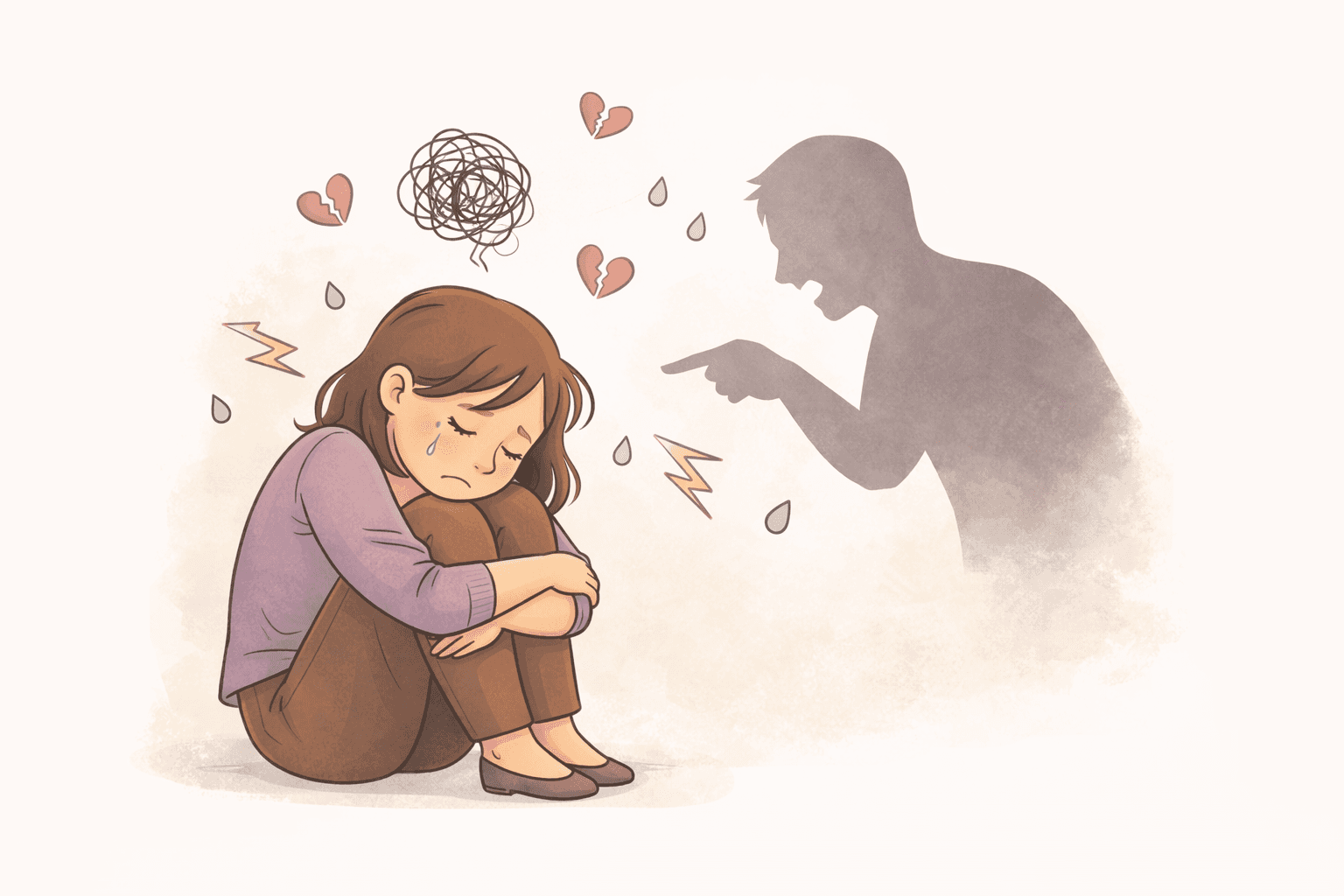
Narcissistic abuse is one of the most psychologically destabilizing relational experiences a person can endure. It often doesn’t begin with obvious mistreatment. In fact, many people describe the early stages as intoxicating, intense, and deeply affirming.
Narcissistic abuse is not always loud or dramatic.
Often, it is subtle, confusing, and deeply destabilizing.
Many people come to therapy saying:
“I don’t know what happened.”
“I feel like I lost myself.”
“I can’t tell if it was really abuse.”
“Maybe I was just too sensitive.”
If you’re questioning your experience, that alone deserves attention.
Understanding narcissistic dynamics can help you make sense of what felt so disorienting.
What Is Narcissistic Personality Disorder?
Narcissistic Personality Disorder (NPD) is defined in the DSM-5-TR as a pervasive pattern of grandiosity, need for admiration, and lack of empathy beginning in early adulthood and present across contexts.
Clinical psychologist Dr. Ramani Durvasula, a leading expert on narcissism and author of It’s Not You: Identifying and Healing from Narcissistic People, describes narcissistic personality patterns as organized around four central features:
Grandiosity or exaggerated self-importance
A chronic sense of entitlement
Limited empathy
A constant need for admiration and validation
When these traits are rigid and pervasive, relationships become transactional rather than reciprocal. The person with narcissistic traits regulates their self-esteem externally. Often at the expense of those closest to them.
Overt and Covert Narcissism
Not all narcissism is obvious.
Overt (grandiose) narcissism may look like arrogance, dominance, or overt superiority.
Covert (vulnerable) narcissism can be more difficult to identify. These individuals may present as sensitive, insecure, or chronically misunderstood. Yet beneath that presentation often lies the same entitlement, need for validation, and difficulty with empathy.
Common covert behaviours may include:
Passive-aggressive remarks
Subtle devaluation
Chronic victim positioning
Silent treatment
Emotional withdrawal as punishment
Because the behaviour is less overt, many individuals struggle to label the experience as abuse. Instead, they internalize blame.

How Narcissistic Abuse Develops
Narcissistic abuse rarely begins with hostility. It often starts with intensity.
Idealization
You may feel deeply chosen or uniquely understood. The connection can feel accelerated and affirming. The person may mirror your interests, values, or vulnerabilities. This creates rapid attachment.
Subtle Erosion
Over time, criticism increases. Boundaries are reframed as rejection. Your emotional reactions are labeled as overreactions. You may start explaining yourself more, defending yourself more, shrinking more.
Gaslighting (where your perception of events is denied or distorted) can create profound self-doubt.
Emotional Instability
Periods of warmth may alternate with withdrawal or hostility. This unpredictability activates the nervous system. You begin working harder to restore harmony.
This pattern of intermittent reinforcement can create a trauma bond, where emotional attachment strengthens despite harm.
Control or Disengagement
When boundaries strengthen or validation decreases, escalation may occur. This can look like hostility, emotional discard, or attempts to regain control.
The confusion is often most intense at this stage.
The Psychological Impact
Narcissistic abuse affects both identity and nervous system regulation.
Common experiences include:
Chronic self-doubt
Hypervigilance
Anxiety or panic
Shame
Depression
Emotional numbness
Difficulty trusting your own judgment
Many individuals leave these relationships not just heartbroken but destabilized.
You may find yourself asking:
“Why can’t I just move on?”
“Why do I still miss them?”
“Was it really that bad?”
Why It’s So Hard to Leave
Leaving a narcissistic dynamic is rarely simple.
You may be grieving:
The early version of the relationship
The potential you believed in
The person they seemed to be
The identity you had within the relationship
In some cases, separation can increase conflict. Boundaries may be met with hostility, guilt, or manipulation.
Support during this phase is often essential.
Healing From Narcissistic Abuse
Healing is not about diagnosing the other person. It is about stabilizing yourself.
Recovery often involves:
Rebuilding trust in your own perception
Understanding trauma bonding
Learning to set and maintain boundaries
Regulating the nervous system
Processing grief and betrayal
Reconnecting with parts of yourself that adapted in order to survive
Trauma-informed therapy, such as, IFS can help you untangle these dynamics without shame and at a pace that feels safe.